View
some text
Toast Text
Toast Text
The reorganization of work accelerates the use of video and live content internally


With the reorganization of work, in particular the use of flex office and teleworking, employees see each other less and less. As a result, internal communication teams face a real challenge: bringing together and maintaining team cohesion.
In this context, communicating on video or organizing a live show seem to be two effective solutions to give a global vision of the company.
The strength of the video is that it can put teams in the spotlight. Even if it does not completely replace the natural nature of a face-to-face conversation, it allows a real social exchange, even more so during a live one. The video gives an impression of proximity. This is why it is becoming a standard for remote communication.
Communicate on video yes, but what to say and what to show?
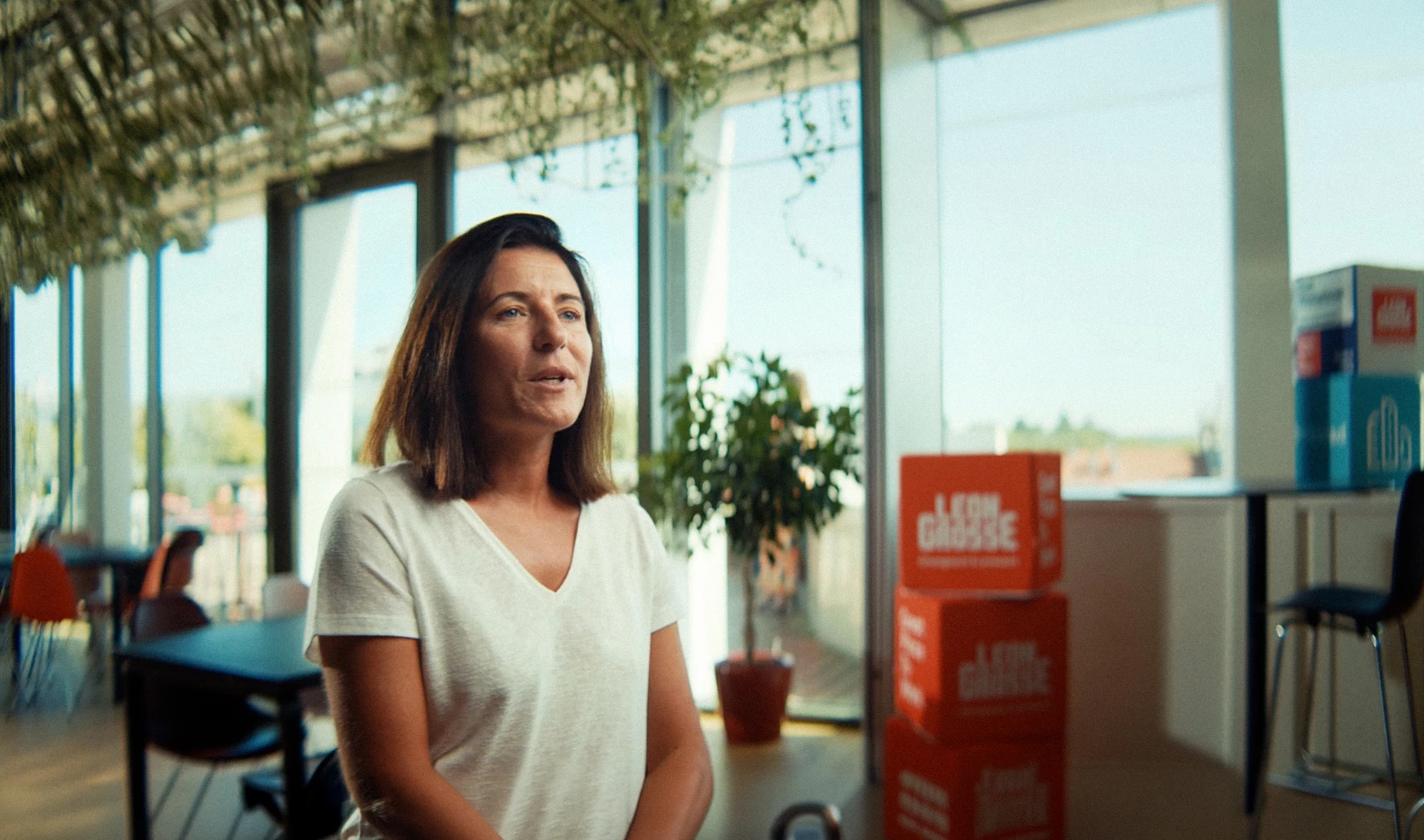
To maintain team cohesion, featuring employees is an obvious choice. We will film top management, of course, who always has messages to convey, but also the teams. The intern is thus highlighted and can talk about his mission.
Naturally, the idea of seeing colleagues express themselves on video aroused the curiosity of the teams, ensuring a good video viewing rate in the process. Most often, when employees are given a voice, it is so that they explain an aspect of their mission, or a specific project. The video therefore allows all teams, even those most distant from the project, to understand the problem, and at the same time to understand how it is linked to their own challenges. Understanding that everything is connected, that each task has an impact on another, employees thus naturally feel concerned about the work of others. This leads to cohesion and makes it possible to create meaning in each person's mission. Each employee is then more likely to become a facilitator of the overall success of the project.
What format? What tone?
The format chosen is also important. Casual, less formal formats that leave more room for naturalness are currently popular. Precisely because it is the creation/maintenance of links between teams that is aimed at. And that management seeks more than ever to seem less distant and more connected to its teams.
We therefore need videos with strong, engaging storytelling, to involve all employees in a common story. For this reason, fiction, in the form of a web series for example, is a good format.
The fictional web series has many advantages for uniting teams. Already, collaborators can play in it. Filming is therefore transformed into team building: a successful team building mission! And secondly, once broadcast, it makes it possible to pass on messages that will benefit from good word-of-mouth (everyone having fun seeing their colleague in the series): a cohesion mission doubly successful!
Other formats are also possible, such as portraits to promote jobs or live sessions to discuss and speak remotely, or motion design to explain.
Video in a context of organizational transformation
The fragmented distribution of employees means that companies are less and less embodied by their premises. Video is a good way to show them, to create common points of reference. This distance seems to be a fundamental trend. A large number of large groups have begun to redesign their premises to give pride of place to flex office. We then arrive at an ambivalent challenge: on the one hand, the premises are less and less invested, and on the other hand, companies are paying more and more attention to them by developing concierge services similar to those of the hotel industry. The aim: to offer a real experience on site. We want employees, who are partially teleworking, to come and occupy the offices on certain days, and that they do so with pleasure. We want spaces that promote collaboration. Today, premises must be designed differently to become above all places of exchange. This new organization of work means that events must also be reinventing themselves. To vary the content, even when face-to-face is possible, we always prefer to keep a portion in live content: these are hybrid events (live and face-to-face).
Live allows you to address a very large audience, and has this trendy side, in tune with the times, very Twitch. Where YouTube had imposed a new mode of consumption and made the imposed television schedules obsolete, Twitch succeeded in bringing the schedule back into fashion. What's the difference with the TV before? The live! The feeling of real proximity, of social interaction, of virtual intimacy. It is the same phenomenon that we find in internal communication with the emergence of live music, a response to a need to create a link, to be an actor and not only passive in the face of the information transmitted.
The reorganization of work requires rethinking both workplaces and internal communication channels in order to maintain Group cohesion and the feeling of belonging to the same company. Thanks to the diversity it offers (live, motion design, web series, interviews...) video has established itself as a privileged tool for new internal communication. And live has clearly made an important place for itself in communication plans.
Pour prendre rendez-vous avec nous, ça se passe ici !