View
some text
Toast Text
Toast Text
Motion design: how to choose the right video format | Responsive

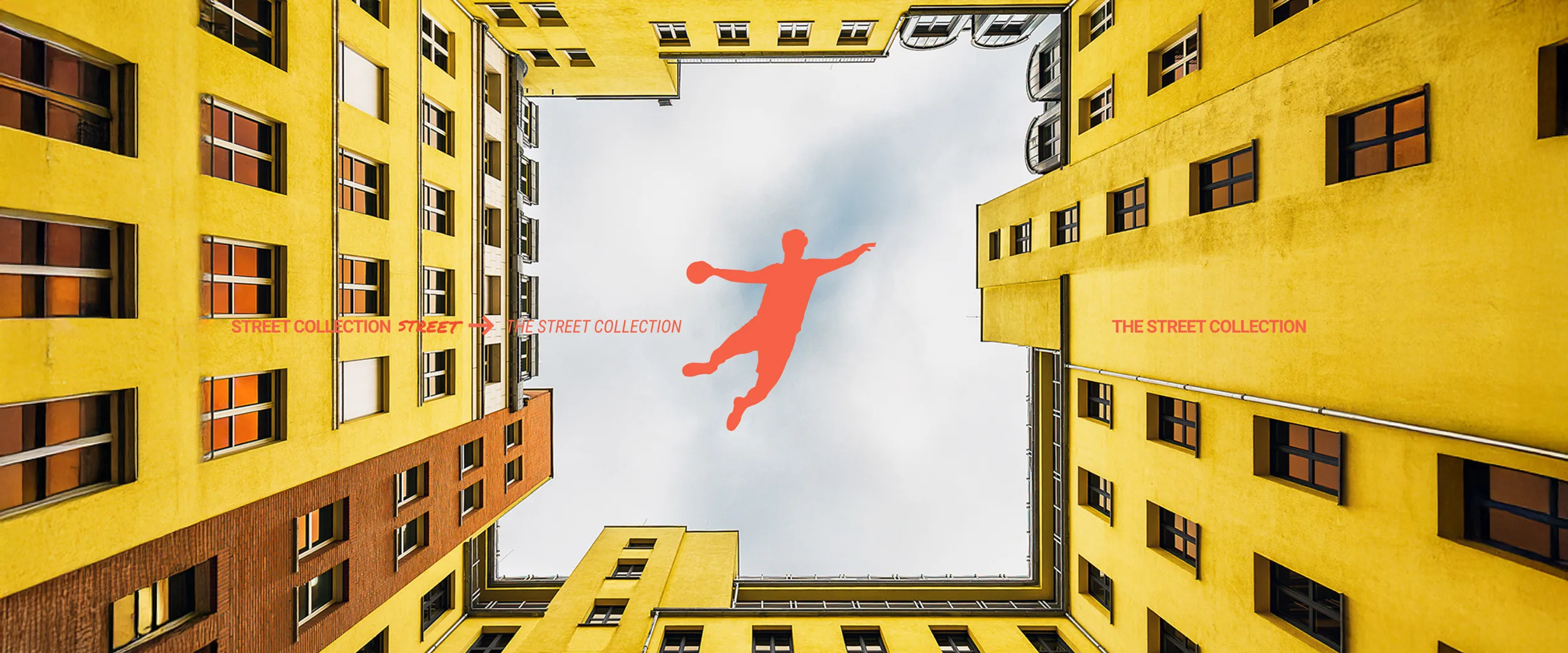
To communicate video is often a very good choice! And when a speaker is not naturally necessary to embody the subject, motion design is, again very often, a good solution.
But behind this simple name, “motion design” hides many very different realities. So what are the current formats? The timeless ones? Let's see that now.
Who said that motion design and real images had to be opposed? Certainly not us! On the contrary, the current trend is to mix filmed images with motion design. This one comes on top to provide both information and style. An effective marriage that works with all types of images (shot for the occasion, from banks, it even works with simple photos).
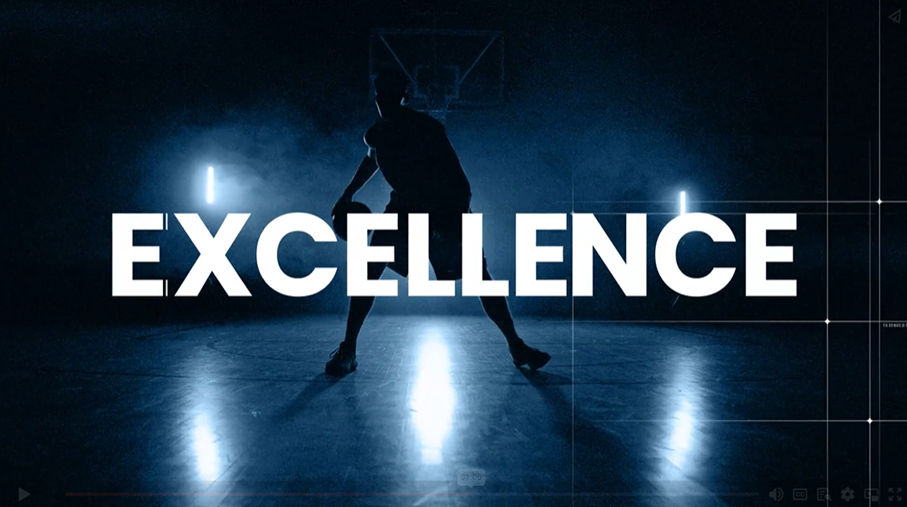
This style of motion has several advantages. They work with or without voiceover. They can carry different types of messages, ranging from very explanatory messages to more inspiring messages. It is a very good solution when you have few sources at your disposal. By proposing an artistic direction, motion design can create a strong identity for the film.
3D motion design still works, it's timeless. It makes it possible to convey specific messages, using complete diagrams, including (and especially) on technical topics. Although more intensive in production time and therefore in budget, 3D animation is the assurance of a result that has a small effect. To be preferred, when the budget allows it, for a real announcement effect.
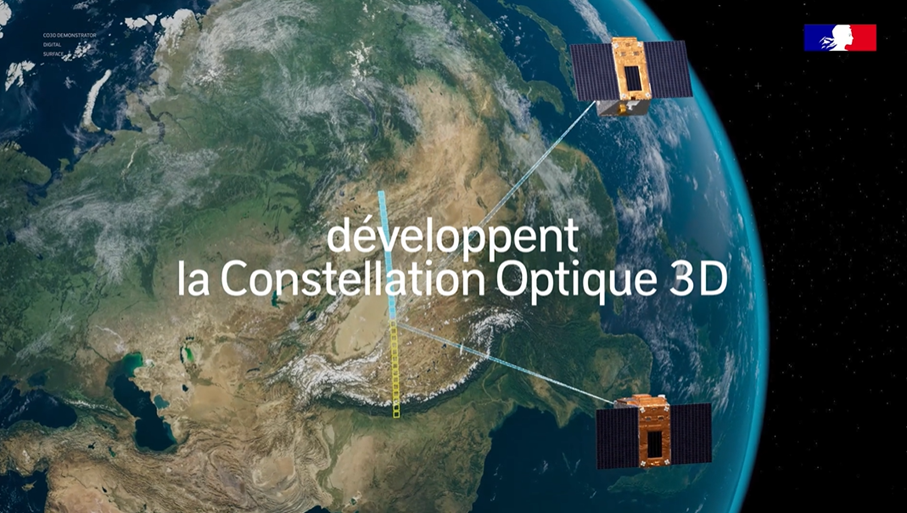
Let's not forget the characters. Indeed, when dealing with HR issues, such as the establishment of a new system for evaluating managers, or even company policies to combat discrimination, it is difficult to talk about people without showing them.
We can then make the choice to involve real people, but this is not always possible or desirable. To talk about discrimination, for example, putting a face to the message can be counterproductive, where you want everyone to be able to feel concerned. Motion design characters are then a good alternative.
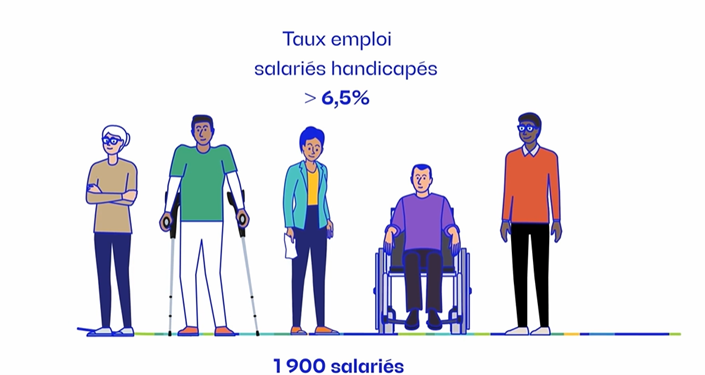
Characters make it possible to describe specific situations, to enter into an explanation by an example, or to tell a story. In short, they make it possible to create real proximity with the viewer, to capture their attention and therefore to get the messages across with greater ease.
Finally, “classic” motion design as we know it, while motion (without a real image) is always a safe bet when it comes to explaining a concept within a controlled budget and within a controlled time frame.
Depending on the project, artistic direction can be more or less complex. Simple pictograms are always a plus to support a message. It is not for nothing that they are found everywhere where information must be quickly understood (on road signs, or danger signs on chemical products, etc.).
Pictograms are always a valuable ally in getting messages across in a simple, fast and intelligible way.
Still hard to make a choice? A quick turn to our motion showreel should dispel any last doubts.
Pour prendre rendez-vous avec nous, ça se passe ici !